bosch ascenta washer manual
Bosch Ascenta Washer Manual: A Comprehensive Guide
Congratulations on your purchase! This manual details the Bosch Ascenta Washer‚ offering guidance for optimal operation and long-lasting performance.
Understanding Your Bosch Ascenta Washer
Your Bosch Ascenta washer is engineered for efficient and reliable laundry care. This series balances performance with user-friendly features‚ designed to simplify your washing routine. Familiarizing yourself with its components and capabilities is key to maximizing its potential.
The Ascenta line incorporates advanced washing technologies‚ focusing on fabric care and energy efficiency. Understanding the different wash programs allows you to tailor each cycle to specific fabric types and soil levels. This manual serves as your primary resource for navigating these features and ensuring optimal cleaning results. Regular reference will help you troubleshoot minor issues and maintain peak performance.
Model Identification and Serial Number Location
Accurate model and serial number identification is crucial for support and warranty claims. The model number specifies the washer’s features and specifications‚ while the serial number uniquely identifies your specific unit.
Locate the appliance data plate – typically found inside the washer door‚ on the frame when it’s opened‚ or on the rear of the unit. The model number (e.g.‚ WAT28400UC) and serial number are printed on this label. Record these numbers in a safe place for future reference. When contacting Bosch customer service‚ having this information readily available will expedite the assistance process and ensure you receive the correct support for your Ascenta washer.
Safety Precautions and Warnings
Prioritize safety during installation‚ operation‚ and maintenance. This Bosch Ascenta washer is designed for household use only. Never allow children to operate or play near the appliance. Disconnect the power supply before cleaning or performing maintenance.
Warning: Do not use extension cords or adapters. Ensure proper grounding to prevent electrical shock. Avoid washing flammable materials. Inspect hoses regularly for cracks or leaks. Do not attempt to repair the washer yourself; contact qualified service personnel for repairs. Always follow detergent manufacturer’s instructions. Failure to adhere to these precautions could result in injury or damage to the appliance.
Installation and Setup
Proper installation ensures optimal performance. Carefully unpack the washer‚ connect water and electrical supplies‚ and level the unit for quiet operation.
Unpacking and Initial Inspection
Carefully unpack your Bosch Ascenta Washer‚ ensuring all packaging materials are removed from both inside and outside the drum. Inspect the washer thoroughly for any visible signs of damage incurred during shipping. This includes dents‚ scratches‚ or broken components.
Verify that all included accessories‚ such as the water inlet hoses‚ drain hose‚ and any provided documentation‚ are present. Retain the packaging materials for a short period‚ in case a return or exchange is necessary.
Crucially‚ remove the shipping bolts located on the rear of the washer. These bolts secure the drum during transport and must be removed before operation to prevent damage. Refer to the accompanying diagrams for their precise location and removal instructions. Failure to remove these bolts will result in severe operational issues.
Water Supply Connection
Connect the provided water inlet hoses to both the washer and your home’s hot and cold water supply faucets. Ensure a tight‚ leak-proof connection using rubber washers included with the hoses. Use only the supplied hoses; aftermarket options may not be compatible.
Before fully tightening‚ briefly open the water supply valves to flush out any debris that may be present in the pipes. This prevents clogging of the washer’s inlet valves. Check for leaks at both ends of the hoses after tightening.
Water pressure should be between 20 and 140 psi for optimal performance. If your water pressure exceeds this range‚ install a pressure regulator to protect the washer.
Electrical Connection Requirements
The Bosch Ascenta Washer requires a dedicated 120V‚ 60Hz electrical circuit with a standard three-prong grounding outlet. Do not use extension cords or adapters‚ as they can pose a safety hazard. Ensure the outlet is easily accessible for disconnection in case of emergency.
The washer’s electrical rating is typically 15 amps; verify your circuit breaker is appropriately sized. Improper wiring or a faulty ground can lead to electrical shock. If you are unsure about your electrical system‚ consult a qualified electrician.
Never attempt to repair the power cord yourself. A damaged cord must be replaced by a certified technician to avoid potential hazards. Always disconnect the washer from the power supply before performing any maintenance.
Leveling the Washer
Proper leveling is crucial for quiet operation and preventing excessive vibration. Use a spirit level to check the washer’s stability on the floor. Adjust the adjustable feet located at the bottom corners of the appliance until the washer is perfectly level‚ both front-to-back and side-to-side.
Turn the leveling feet clockwise to raise that corner‚ and counterclockwise to lower it. After each adjustment‚ re-check with the spirit level. Ensure all four feet are firmly in contact with the floor. A slightly uneven floor can be compensated for with shims placed under the feet if necessary.
Lock the leveling feet in place after achieving a stable and level position to prevent accidental movement during operation. Regularly check the leveling‚ especially after moving the washer.
Operating Instructions
Familiarize yourself with the control panel and program options. Correct loading‚ detergent usage‚ and program selection are key to optimal washing results.
Control Panel Overview
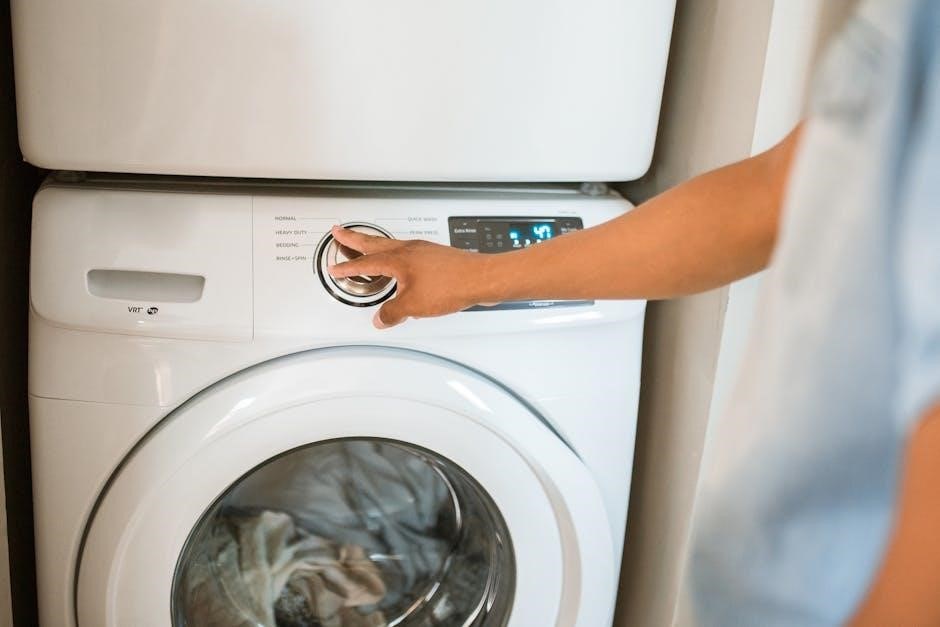
The Bosch Ascenta washer’s control panel is designed for intuitive operation. A central dial selects wash programs – including delicate‚ normal‚ heavy duty‚ and quick wash cycles. Digital displays clearly indicate the remaining wash time and selected options. Push buttons allow for adjustments to temperature‚ spin speed‚ and additional features like delay start.
Indicator lights signal the wash cycle’s progress‚ alerting you to phases like wash‚ rinse‚ and spin. Dedicated buttons activate options such as extra rinse or stain removal; The panel also features a start/pause button for convenient control. Understanding these elements ensures efficient and customized laundry care with your Ascenta washer.
Program Selection Guide
The Bosch Ascenta washer offers a variety of programs to suit different fabric types and soil levels. The ‘Delicates’ cycle gently cleans sensitive items like lingerie and silk. ‘Normal’ is ideal for everyday cottons and linens. For heavily soiled items‚ select ‘Heavy Duty’.
‘Quick Wash’ provides a faster cycle for lightly soiled loads. A ‘Permanent Press’ cycle minimizes wrinkles in synthetic fabrics. Specialized programs like ‘Bulky Items’ and ‘Sanitize’ cater to specific needs. Refer to the garment care label and select the appropriate program for optimal cleaning and fabric protection. Experiment to find the best settings for your laundry habits.
Loading the Washer Correctly
Proper loading ensures optimal cleaning performance and prevents damage to your clothes and the machine. Distribute items loosely within the drum‚ avoiding overcrowding. Overloading restricts movement and reduces cleaning effectiveness.
Separate items by fabric type and color to prevent dye transfer. Place smaller items‚ like socks‚ inside a mesh laundry bag to prevent them from getting lost. Ensure that items are not tangled or wrapped around the agitator (if applicable). Do not force large items into the washer. Follow the maximum load capacity guidelines for each program.
Detergent Dispenser Usage
The Bosch Ascenta washer features a multi-compartment dispenser for detergent‚ fabric softener‚ and bleach. Always use High Efficiency (HE) detergent‚ as standard detergents produce excessive suds.
Refer to the detergent packaging for the correct amount based on load size and soil level. Pour detergent into the designated compartment‚ typically marked with “II” or a detergent symbol. Fabric softener goes into the compartment marked with a flower symbol‚ and bleach into the one labeled “Cl”. Avoid overfilling; liquid detergent should not exceed the ‘max’ line.
Maintenance and Cleaning
Regular cleaning ensures optimal performance and longevity. This section details procedures for the detergent dispenser‚ drum‚ seals‚ filters‚ and exterior surfaces.
Cleaning the Detergent Dispenser
Maintaining a clean detergent dispenser is crucial for preventing residue buildup and ensuring optimal washing performance. Periodically‚ remove the dispenser drawer (refer to the ‘Operating Instructions’ for removal details). Rinse all compartments thoroughly under warm running water‚ dislodging any solidified detergent or fabric softener. For stubborn residue‚ utilize a soft brush or cloth and a mild cleaning solution.
Avoid abrasive cleaners‚ as they can damage the dispenser’s surface. Inspect the dispenser for any blockages in the nozzles and clear them carefully. Ensure the dispenser is completely dry before reinserting it into the washer. Regular cleaning‚ ideally monthly‚ will prevent issues and maintain the efficiency of your Bosch Ascenta washer.
Cleaning the Drum and Seals
To keep your Bosch Ascenta washer fresh and prevent odors‚ regularly clean the drum and seals. Run an empty hot water cycle with a washing machine cleaner (follow cleaner instructions) monthly. This helps remove detergent residue and mildew. After each wash‚ wipe down the rubber door seal with a damp cloth‚ paying attention to folds where debris can accumulate.
Inspect the seal for mold or mildew and clean with a solution of water and white vinegar if necessary. Leave the washer door slightly ajar after use to allow for ventilation and prevent moisture buildup. A clean drum and seal contribute to the longevity and hygiene of your washing machine.
Filter Cleaning Procedures
Regularly cleaning the filter in your Bosch Ascenta washer is crucial for optimal performance and preventing drainage issues. Locate the filter access door (usually at the front‚ bottom right of the machine). Place a shallow container and towels nearby to catch any spilled water. Carefully open the door and unscrew the filter cap – water will drain!
Remove any lint‚ debris‚ or small objects from the filter. Rinse the filter thoroughly under running water. Inspect the filter housing for obstructions and clean if needed. Reinstall the filter cap securely‚ ensuring a watertight seal. Close the access door. Cleaning the filter every few months‚ or more frequently with heavy use‚ will maintain efficient operation.
Exterior Cleaning Instructions
To maintain the appearance of your Bosch Ascenta washer‚ regular exterior cleaning is recommended. Always disconnect the power supply before cleaning! Use a soft‚ damp cloth with mild detergent to wipe down the cabinet‚ control panel‚ and door. Avoid abrasive cleaners‚ scouring pads‚ or solvents‚ as these can damage the finish.
Pay attention to the detergent dispenser area‚ removing any residue buildup. For stubborn stains‚ a slightly dampened cloth with a diluted vinegar solution can be used. After cleaning‚ wipe all surfaces with a clean‚ damp cloth to remove any soap residue. Dry thoroughly with a soft towel. This simple routine keeps your washer looking its best.
Troubleshooting Common Issues
This section provides solutions for typical problems. Check power‚ water supply‚ and error codes before contacting service for your Bosch Ascenta washer.
Washer Not Starting
If your Bosch Ascenta washer fails to start‚ several checks are necessary. First‚ verify the power cord is securely plugged into a functioning outlet. Test the outlet with another appliance to confirm power delivery. Next‚ ensure the door is completely latched; the washer won’t operate if the door isn’t properly closed.
Check the control panel for any illuminated error codes‚ as these provide specific diagnostic information. Also‚ examine the water supply valves to confirm they are fully open‚ allowing water to flow into the machine. If these steps don’t resolve the issue‚ consult the full error code list in this manual or contact Bosch customer support for assistance. A tripped circuit breaker should also be investigated;
Water Not Filling or Draining
Problems with water filling or draining are common. For filling issues‚ ensure both hot and cold water supply valves are fully open. Inspect the inlet hoses for kinks or obstructions that restrict water flow. A clogged inlet filter can also prevent proper filling; locate and clean this filter.
If the washer isn’t draining‚ first check the drain hose for bends or blockages. Confirm the drain hose isn’t inserted too far into the drainpipe‚ which can cause siphoning. Finally‚ the drain pump filter may be clogged with lint or debris; carefully access and clean this filter following the instructions in this manual. Persistent issues may indicate a faulty pump.
Error Codes and Their Meanings
Bosch Ascenta washers utilize error codes to diagnose issues. A flashing error code on the display indicates a problem requiring attention. For example‚ code ‘E11’ typically signals a water inlet issue – check the supply hoses and filters. ‘E22’ often points to a drainage problem‚ requiring inspection of the drain hose and pump filter.
Code ‘E04’ usually indicates an imbalance during the spin cycle; redistribute the load. Refer to the complete error code list in this manual for a comprehensive explanation of each code and suggested troubleshooting steps. Ignoring error codes can lead to further damage‚ so address them promptly.
Leaking Issues and Solutions
Water leaks from your Bosch Ascenta washer require immediate attention. First‚ check the water inlet hoses and drain hose connections for tightness. Inspect the door boot for any tears or obstructions preventing a proper seal. A common leak source is the detergent dispenser; ensure it’s not overfilled and clean any residue.
If leaks persist‚ examine the pump and its connections. A faulty pump seal can cause leaks. Carefully inspect the internal hoses for cracks or damage. Always disconnect the power supply before investigating leaks. If you are uncomfortable performing these checks‚ contact a qualified technician for assistance.
Advanced Features & Settings
Explore enhanced wash options! Utilize delay start‚ child lock‚ adjustable water temperatures‚ and customized spin speeds for optimal cleaning performance.
Delay Start Function
Convenient Scheduling: The Bosch Ascenta washer’s delay start function allows you to conveniently schedule wash cycles to begin at a later time. This feature is incredibly useful for taking advantage of off-peak energy rates‚ or simply ensuring laundry is finished when you are ready.
Setting the Delay: To activate‚ press the “Delay Start” button on the control panel. Each press typically increments the delay time in one-hour intervals‚ up to a maximum of 24 hours. The display will indicate the remaining delay time. Once set‚ the washer will automatically begin the selected cycle after the programmed delay. Remember to add detergent before setting the delay!
Important Note: Avoid using delay start with laundry containing perishable items‚ as prolonged sitting in a closed washer could lead to mildew or unpleasant odors.
Child Lock Activation
Safety First: The Bosch Ascenta washer features a Child Lock function‚ designed to prevent accidental operation by young children. This is a crucial safety feature‚ especially in households with curious little ones who might tamper with the control panel.
Activating the Lock: Typically‚ activating the Child Lock involves pressing and holding two specific buttons simultaneously – often “Start/Pause” and another function button – for a few seconds. A visual indicator‚ such as a padlock symbol illuminating on the display‚ confirms activation.
Deactivating the Lock: To deactivate‚ repeat the same button combination. All control panel buttons will then become responsive again. This prevents unintended program changes or cycle starts‚ ensuring a safe laundry environment.
Adjusting Water Temperature
Tailoring Your Wash: The Bosch Ascenta washer allows for precise water temperature adjustments‚ catering to various fabric types and stain levels. Selecting the appropriate temperature is vital for effective cleaning and preventing damage to your clothes.
Temperature Options: Most models offer settings like Cold‚ Warm‚ and Hot. Cold water is ideal for delicate fabrics and preventing color fading. Warm water suits everyday laundry‚ while Hot water is best for heavily soiled items and sanitizing.
Control Panel Access: Temperature selection is usually done via dedicated buttons on the control panel or through the program selection menu. Refer to the program guide for recommended temperatures for specific cycles. Always check garment care labels!
Spin Speed Selection
Optimizing Moisture Removal: The Bosch Ascenta washer provides adjustable spin speeds‚ impacting the amount of water extracted from your laundry. Higher spin speeds reduce drying time but can cause more wrinkles‚ while lower speeds are gentler on delicate fabrics.
Speed Ranges: Typically‚ options range from No Spin to Extra High Spin. “No Spin” is useful for items needing air drying. Lower speeds (e.g.‚ 400-800 RPM) are suitable for delicates and synthetics. Higher speeds (e.g.‚ 1000-1400 RPM) are best for cottons and towels.
Control Panel Adjustment: Spin speed is usually adjusted via buttons or a dial on the control panel‚ often alongside program selection. Consider fabric type and desired dryness level when choosing a spin speed.
Technical Specifications
Detailed Dimensions & Performance: This section outlines the Bosch Ascenta washer’s precise measurements‚ weight‚ water usage‚ energy ratings‚ and electrical requirements.
Dimensions and Weight
Understanding the Physical Profile: The Bosch Ascenta washer is designed with space efficiency in mind‚ yet offers substantial capacity. Typical models range in height from approximately 33 to 34 inches‚ with a width of around 24 inches‚ and a depth extending between 25 and 30 inches.
Weight Considerations: Unpackaged‚ the washer generally weighs between 150 to 180 pounds‚ depending on the specific model and features included. These dimensions and weight are crucial for planning installation‚ ensuring the appliance fits comfortably within your laundry room space‚ and confirming floor support capabilities. Always consult the specific model’s data plate for precise measurements.
Water Consumption Details
Efficient Water Usage: Bosch Ascenta washers are engineered for water conservation without compromising cleaning performance. Standard cycles typically utilize between 13 to 18 gallons of water per load‚ significantly lower than older models.
Cycle-Specific Consumption: Water usage varies based on the selected wash cycle; delicate cycles and eco-modes consume less water‚ while heavily soiled loads or bulky items may require slightly more. The precise water consumption for each cycle is often detailed in the washer’s specifications or within the user manual. Utilizing cold-water washes further reduces water heating energy costs and overall water footprint.
Energy Efficiency Ratings
Energy Star Compliance: Many Bosch Ascenta washers proudly carry the Energy Star certification‚ signifying their adherence to strict energy efficiency guidelines set by the EPA. This translates to lower utility bills and a reduced environmental impact.
Annual Energy Consumption: Typical annual energy consumption for an Ascenta washer ranges from approximately 250 to 350 kWh‚ depending on usage patterns and cycle selections. Eco-friendly cycles and cold-water washing contribute significantly to lowering energy consumption. Refer to the EnergyGuide label affixed to the appliance for specific model ratings and estimated operating costs.
Electrical Specifications
Voltage and Frequency: Bosch Ascenta washers are typically designed to operate on a standard 120V AC power supply with a frequency of 60Hz. Always verify compatibility with your household electrical system before installation.
Amperage and Circuit Requirements: These washers generally require a dedicated 15-amp electrical circuit to prevent overloading and ensure safe operation. Avoid sharing the circuit with other high-wattage appliances. The appliance’s power consumption typically ranges between 10 to 15 amps during operation. A properly grounded three-prong outlet is essential for safety.