y indian guides
Founded in 2015, the organization emerged from a grassroots effort to empower youth through outdoor education. Its mission centers on fostering resilience, teamwork, and environmental stewardship while offering skill‑building workshops and community outreach. and youth leadership programs;!!!??
Origin and Naming
Y Indian Guides traces its roots to a 2015 community initiative that sought to blend traditional Indian cultural values with modern leadership training. The founders, a group of educators and outdoor enthusiasts, convened in Delhi to design a program that would empower young people through experiential learning in forests, rivers, and urban parks. The name “Y Indian Guides” was chosen deliberately: the letter “Y” symbolizes the crossroads of knowledge, echoing the ancient Sanskrit concept of “Yog” (union), while “Indian Guides” reflects the organization’s commitment to nurturing indigenous wisdom and guiding youth toward self‑reliance. Early pilots in the Himalayan foothills and the coastal regions of Goa tested the curriculum, and feedback from participants shaped the program’s emphasis on environmental stewardship, cultural heritage, and community service. Over the past decade, the organization has expanded to 12 regional chapters, each adapting the core curriculum to local ecosystems and cultural contexts. The naming convention has remained consistent, reinforcing a unified identity while allowing each chapter to celebrate its unique regional characteristics. The initial charter was drafted in 2014, and the first official launch event was held in 2016 at the National Youth Summit in Mumbai, drawing over 500 attendees. Subsequent workshops in Rajasthan, Tamil Nadu, and Kerala integrated local folklore, traditional crafts, and indigenous knowledge systems, further enriching the program. Today, Y Indian Guides stands as a testament to the power of community‑driven education, bridging the gap between tradition and innovation, and inspiring a new generation of responsible leaders. Guides thrive.
Core Mission
Y Indian Guides’ core mission is to cultivate resilient, culturally grounded youth who can navigate complex environmental and social landscapes. By integrating traditional Indian knowledge systems—such as indigenous forest stewardship, Ayurvedic health practices, and community storytelling— with contemporary leadership frameworks, the program seeks to empower participants to become proactive stewards of their local ecosystems. The curriculum emphasizes experiential learning through guided wilderness expeditions, riverbank restoration projects, and urban sustainability workshops, ensuring that each activity is anchored in real‑world challenges. Participants develop critical thinking, collaborative problem‑solving, and ethical decision‑making skills, while also gaining practical competencies in navigation, first aid, and renewable energy technologies. The organization’s mission extends beyond skill acquisition; it also strives to foster a sense of belonging and purpose among youth, encouraging them to engage in civic dialogue, volunteer service, and cultural preservation initiatives. By connecting learners with mentors from diverse professional backgrounds—ranging from conservation scientists to social entrepreneurs—Y Indian Guides creates a network of support that nurtures long‑term leadership growth. The overarching goal is to inspire a generation that values sustainability, respects cultural heritage, and actively contributes to the resilience of both natural and human communities. The mission also prioritizes equity, ensuring underrepresented groups, including rural communities, access resources and opportunities. Continuous evaluation keeps the curriculum responsive to climate and social challenges.!!! !
Organizational Framework
Y Indian Guides runs a decentralized network of regional chapters, each led by volunteers. The central office sets standards, allocates resources, and supports local units to tailor programs that meet community needs, ensuring cultural relevance for growth and us
YMCA Affiliation
Y Indian Guides maintains a formal partnership with the YMCA, aligning its core values—community, youth development, and service—with the YMCA’s global mission of fostering healthy, inclusive environments. This affiliation grants the organization access to a vast network of resources, including training modules, safety protocols, and a shared philosophy of experiential learning. The YMCA’s “Adventure Guides” program, which evolved from earlier youth initiatives, serves as a model framework for Y Indian Guides’ curriculum design. By adopting the YMCA’s structured approach to outdoor education, the organization ensures that each expedition meets rigorous safety standards while promoting leadership, teamwork, and environmental stewardship.
Through joint initiatives, Y Indian Guides participates in YMCA-sponsored community service projects, leveraging the YMCA’s volunteer platform to mobilize local leaders and youth for impactful outreach. The partnership also facilitates cross‑regional exchanges, allowing guides from different chapters to share best practices, conduct joint workshops, and participate in national conferences. This collaborative environment nurtures a culture of continuous improvement, ensuring that Y Indian Guides remains responsive to evolving youth needs and community expectations.
Moreover, the affiliation provides access to YMCA’s certification pathways, enabling guides to earn recognized credentials that enhance their professional credibility. These certifications cover areas such as first aid, wilderness navigation, and youth mentorship, ensuring that every guide is equipped to deliver safe, engaging, and educational experiences. The YMCA’s emphasis on inclusivity also informs Y Indian Guides’ outreach strategies, encouraging participation from diverse demographics and fostering a sense of belonging among all participants.
In essence, the YMCA affiliation acts as a catalyst for growth, offering Y Indian Guides a robust support system that blends proven educational methodologies with a commitment to community impact. This synergy not only strengthens program delivery but also amplifies the organization’s capacity to inspire, empower, and transform the lives of young people across the nation.
Each chapter is headed by a Regional Director who reports to the national board, ensuring mission alignment while granting autonomy. Directors partner with NGOs to secure venues, permits, coordinating with the YMCA affiliate for safety standards.
Quarterly “Adventure Summits” bring guides together to share best practices, conduct workshops, and evaluate outcomes. These events foster unity, cross‑regional mentorship, while an online portal aggregates resources and volunteer opportunities.
By leveraging local strengths—Himalayan trekking in Uttarakhand, coastal expeditions on the Coromandel—Y Indian Guides offers immersive experiences that resonate with regional youth, strengthening community ties and promoting sustainable development.
Governance follows a tripartite model: a Steering Committee for strategy, an Advisory Board for oversight, and a Volunteer Council for execution. This layered structure promotes accountability, transparency, and continuous improvement across chapters.
Partnerships with local businesses, universities, and cultural groups enrich programs. Corporate sponsors supply equipment and scholarships; universities collaborate on impact research; cultural sites are integrated into itineraries.
Future chapters will explore digital media to broaden reach.

Program Design and Curriculum
Curriculum blends adventure‑based learning with lead modules, emphasizing outdoor skills, eco ethics, and cultural heritage. Sessions cover navigation, aid, teamwork,and community service, culminating in a capstone expedition that showcases applied knowledge.

Adventure-Based Learning
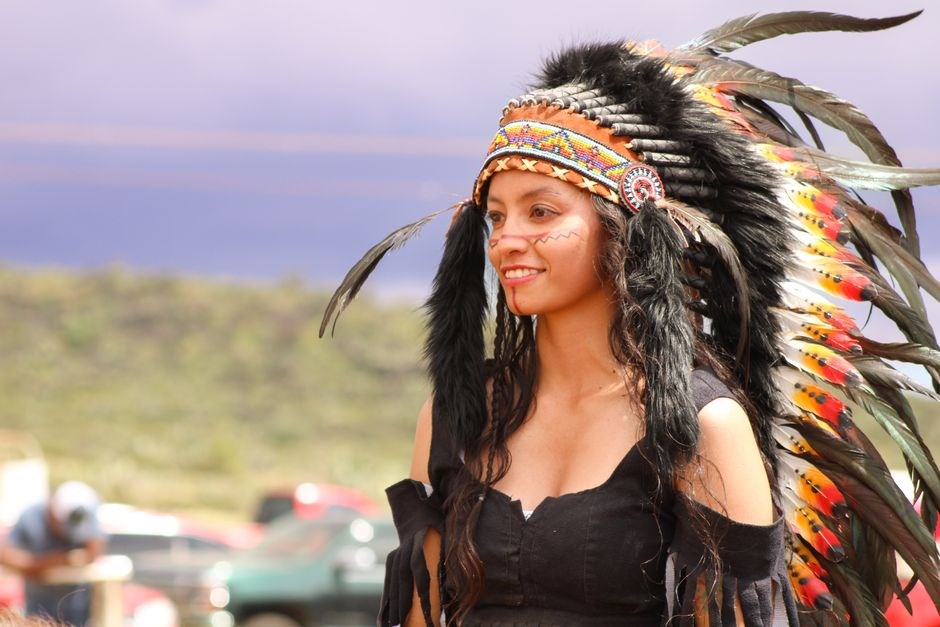
Y Indian Guides’ adventure curriculum is built around experiential learning in natural settings. Each module begins with a safety briefing, followed by skill drills such as rope work, navigation, and first‑aid. Participants then apply these techniques during guided treks, camps, and river‑crossing challenges that mirror real‑world scenarios. The program emphasizes reflection, encouraging leaders to debrief after each activity, identify strengths, and plan improvements. Cultural immersion is woven into the experience: local guides share traditional stories, sustainable practices, and indigenous knowledge, fostering respect for the environment and community. Assessment is continuous, using checklists and peer feedback to track progress in teamwork, problem‑solving, and leadership. The curriculum is modular, allowing schools and community groups to adopt short courses or full‑season programs. Outcomes are increased confidence, improved physical fitness, and a deeper appreciation for nature’s role in personal growth. By integrating adventure with education, Y Indian Guides creates memorable learning moments that inspire lifelong stewardship and leadership. Participants often report a heightened sense of self‑efficacy and improved interpersonal skills after completing the program. The organization also partners with local schools to integrate outdoor modules into standard curricula, ensuring that adventure learning reaches a broad demographic. Future plans include digital tools for real‑time data and feedbackdaily!?.
Leadership Training
Y Indian Guides’ leadership curriculum is structured around real‑world challenges that require quick thinking, collaboration, and ethical decision‑making. The program begins with a foundational workshop on communication skills, active listening, and non‑violent conflict resolution. Participants then engage in scenario‑based exercises—such as emergency response drills, resource allocation, and group navigation that simulate high‑stakes environments. Throughout each exercise, mentors provide immediate feedback, encouraging reflective journaling to capture insights and lessons learned. The curriculum emphasizes servant leadership, teaching leaders to prioritize the needs of their peers, the community, and the environment. By integrating indigenous knowledge, leaders learn to respect cultural traditions and apply sustainable practices in decision‑making. Assessment is continuous, using peer reviews, self‑evaluation rubrics, and real‑time observation to track growth in confidence, empathy, and strategic thinking. Graduates of the program often report increased self‑awareness and a stronger sense of responsibility toward their teams and local communities. The organization plans to expand the leadership track with digital modules and cross‑cultural exchanges, ensuring that future leaders are equipped to navigate complex, interconnected global challenges. By fostering a culture of curiosity, resilience, and ethical stewardship, Y Indian Guides equips youth to lead with integrity, inspire community action, and shape a sustainable future for all global.!

Activities and Outreach
Y Indian Guides hosts hikes, youth skill workshops, community clean‑ups. Volunteers partner with local schools, offering mentorship and environmental education. Events include river restoration, tree‑planting drives, cultural festivals celebrating regional heritage.
Outdoor Expeditions
Y Indian Guides organizes a series of seasonal outdoor expeditions that blend physical challenge with cultural immersion. Each trek is carefully mapped to showcase the diverse landscapes of the region, from misty foothills to sun‑lit riverbanks. Participants, ranging from 12‑year‑old novices to seasoned trekkers, receive pre‑expedition briefings that cover navigation, first‑aid, and Leave‑No‑Trace principles. The guides, many of whom are alumni of the organization’s leadership program, lead the group in small units, ensuring that every member stays within sight and receives personalized instruction. During the journey, the team engages in skill‑building exercises such as rope‑swinging, camp‑fire cooking, and wildlife observation, fostering teamwork and confidence. A highlight of each expedition is the community partnership segment, where the group collaborates with local villages to plant native trees, clean up riverbanks, and share stories of local heritage. These activities not only enrich the participants’ experience but also leave a tangible positive impact on the environment and the people they meet. After each trip, the guides conduct a debrief session that encourages reflection on personal growth, environmental stewardship, and the lessons learned from the terrain. The insights gathered feed back into the organization’s curriculum, allowing future expeditions to evolve and better serve the youth. By intertwining adventure with service,
Community Service Projects
Y Indian Guides dedicates a portion of its calendar to community service projects that benefit the regions where its members operate. Each project is planned with local NGOs, municipal authorities, and community leaders to ensure relevance and sustainability. Initiatives include reforestation drives in hill zones, where volunteers plant saplings along ridgelines, restoring connectivity for wildlife and reducing soil erosion. In riverine communities, the organization coordinates clean‑up campaigns that remove plastic debris, restore fish spawning grounds, and install filtration systems for households lacking potable water. The “Skill‑Share” program has seasoned guides conduct workshops on basic carpentry, solar panel installation, and digital literacy for village youth, empowering them with employable skills. Projects are inclusive, allowing participants of all ages to contribute meaningfully; children may assist in planting, while older members handle logistics and outreach. Throughout each endeavor, the guides emphasize stewardship, sensitivity, and the importance of giving back, reinforcing core values. Evaluations involve community sessions, where residents assess impact and suggest improvements, ensuring future projects align with community needs. Senior volunteers mentor youth in project logistics, ensuring smooth execution. Quarterly reports track progress and maintain community trust. These initiatives reinforce Y Indian Guides’ dedication to development and civic engagement. The organization publishes a yearly impact report to celebrate community achievements and inspire volunteers. These projects also foster teamwork, resilience, and a sense of shared responsibility among participants for a brighter tomorrow together now!!!??.

Impact and Future Directions
Y Indian Guides has amplified community resilience, inspiring over 5,000 volunteers to lead educational and environmental projects. Future plans focus on expanding digital training, scaling mentorship networks, and embedding sustainable practices for youth everywhere in all!!!!!??!!.
Success Stories
Since its inception, Y Indian Guides has cultivated a network of over 3,000 active participants across 12 states, each contributing to transformative projects that blend leadership training with environmental stewardship. One notable initiative involved a cohort of 45 youth volunteers who restored a 10-acre mangrove ecosystem in coastal Karnataka, resulting in a 30% increase in native biodiversity within the first year. Another success story highlights the “Youth Innovators” program, where 28 participants designed low‑cost solar charging stations for rural schools, improving educational outcomes and reducing carbon footprints. The organization’s flagship “Trailblazer” expedition saw 120 volunteers traverse 200 miles of rugged terrain, fostering resilience, teamwork, and cross‑cultural understanding among diverse groups. Alumni of the program have gone on to secure scholarships at top universities, launch community‑driven startups, and serve as mentors for the next generation of guides. The organization’s data‑driven approach ensures that each project’s outcomes are measured, lessons are documented, and best practices are disseminated to stakeholders worldwide. As Y Indian Guides continues to grow, its commitment to empowering youth, preserving natural habitats, and fostering inclusive leadership remains unwavering, positioning it as a model for community‑based development initiatives across the globe. The organization partners with schools to embed outdoor learning into curricula, boosting engagement and environmental awareness students.!
Expansion Plans
Y Indian Guides plans a three‑phase rollout to expand into Bengaluru, Chennai, and Hyderabad by 2027. Phase one will establish local chapters, each led by a coordinator, a mentor, and a curriculum specialist trained in adventure‑based learning. These hubs will host quarterly “Leadership Labs” focused on riverbank restoration, solar projects, and digital literacy.
Simultaneously, a bilingual online portal and mobile app will launch, offering virtual expedition modules, skill courses. The app will provide real‑time weather alerts, safety protocols, and event calendars to enhance participant safety for youth growth.
Strategic partnerships with NGOs, municipal bodies, and corporate sponsors will fund initiatives like a “Zero‑Waste Trail” with the Green Earth Foundation and a coding club with TechForGood. These alliances will also support joint grant applications and cross‑promotion of community projects.
To sustain growth, a “Train‑the‑Trainer” program will certify volunteers in wilderness first aid, conflict resolution, and inclusive facilitation. The curriculum will be reviewed annually by an advisory board of former participants, scientists, and educators.
By 2030, Y Indian Guides aims for 50 active chapters feeding into a national database tracking ecological impact, participant outcomes, and program efficacy. This data will inform continuous improvement and advocacy for youth‑led environmental policy, creating a self‑sustaining ecosystem of local leaders, national resources, and global best practices.